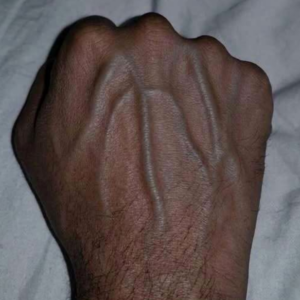
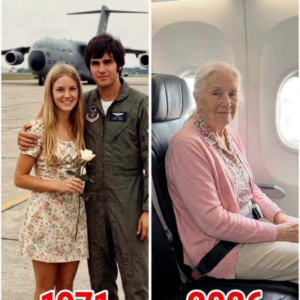
The challenge rests on an ordinary feature of perception: the brain recognizes a scene quickly, then relies on expectations instead of inspecting every edge. That efficiency is useful until a small alteration slips past unnoticed. Rather than searching harder, search methodically. Divide each picture into matching sections and compare them in a consistent direction. Look closely at outlines, repeated shapes, colors, spacing, and small gaps. Tracking what you have checked helps prevent scanning the same areas repeatedly.
Missing the difference is no verdict on intelligence, just as finding it immediately reveals little about personality. Screen brightness, image quality, fatigue, and expectations can all influence what stands out. Give yourself time, and compare approaches rather than judging someone else’s answer. The satisfying moment comes when an overlooked feature becomes unmistakable. Beyond the puzzle, the useful lesson is simple: slowing down and checking assumptions can reveal what confidence alone leaves unseen.